Heat tunnel temperature settings
Related L sealer and shrink wrapping machinery guidance for narrowing the correct specification before requesting a quote.
Tunnel troubleshooting
Shrink tunnel temperature problems can appear as wrinkling, loose film, scorching, distortion or uneven pack finish. The cause may be temperature, airflow, conveyor speed, film gauge, perforation or pack spacing.
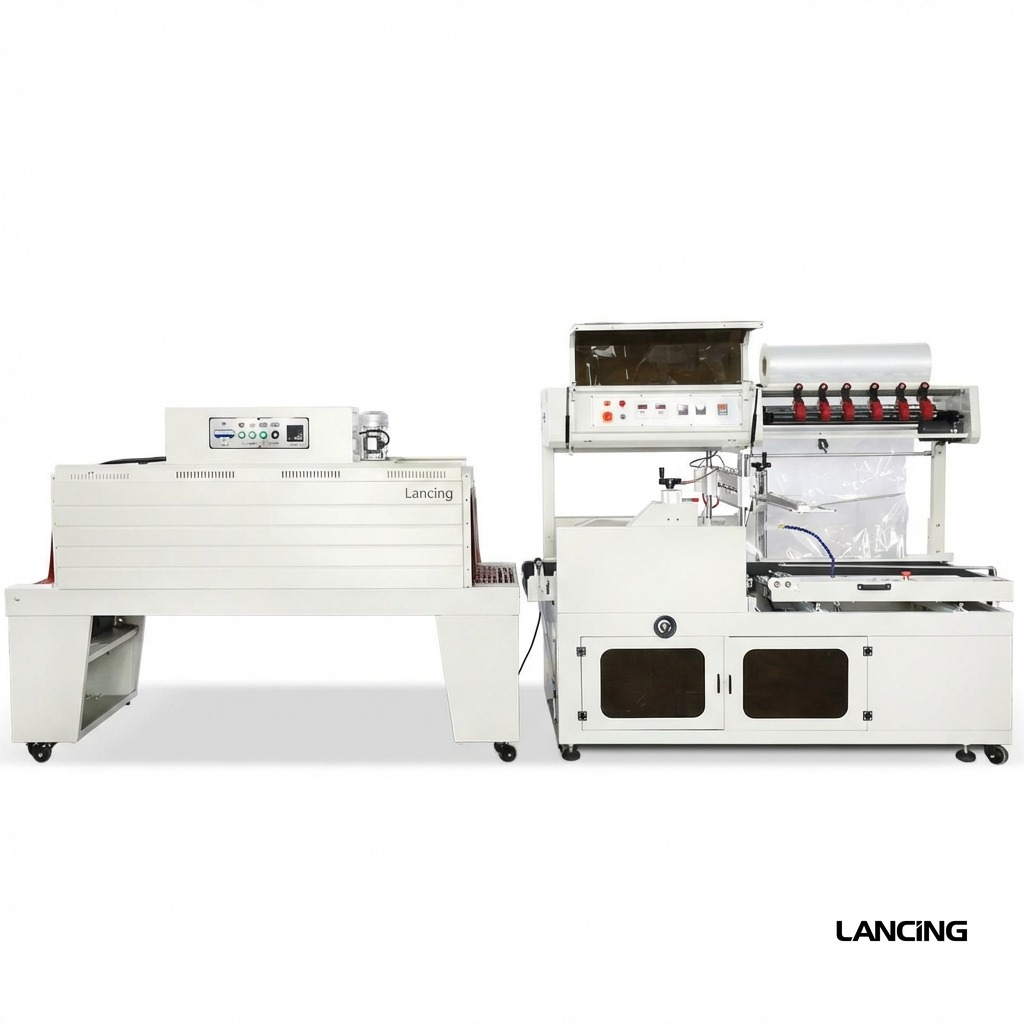
This page is for operators diagnosing poor shrink finish after the L sealer or sleeve sealer stage.
Lancing UK can review product sizes, pack photos, film choice, target output and site layout before recommending a suitable L sealer, heat tunnel, chamber sealer, sleeve sealer or related shrink wrapping machine route.
For the most accurate advice, send dimensions for the smallest and largest pack, expected packs per minute, whether the product is manually loaded or conveyor fed, and any space or utility restrictions on site.
FAQ
Send photographs of the affected packs, film type and thickness, the current set temperature, conveyor speed and pack spacing. Describe whether the problem is loose film, scorching, distortion or one-sided shrink, and when it started.
Yes. Lancing UK can review whether an L sealer, chamber sealer, sleeve sealer, heat tunnel or wider shrink wrapping line is the correct route.
Yes. Film type, gauge, width and perforation affect seal quality, tunnel settings and final pack appearance.
Related pages
These pages help narrow the best machine route before requesting a quotation.
Related L sealer and shrink wrapping machinery guidance for narrowing the correct specification before requesting a quote.
Related L sealer and shrink wrapping machinery guidance for narrowing the correct specification before requesting a quote.
Related L sealer and shrink wrapping machinery guidance for narrowing the correct specification before requesting a quote.
Related L sealer and shrink wrapping machinery guidance for narrowing the correct specification before requesting a quote.