L sealer machine UK
Compare automatic, semi-automatic and tunnel-based L sealer routes.
Specification guide
Pack dimensions are the first detail needed for a reliable L sealer recommendation because they drive sealing aperture, film width and tunnel chamber selection.
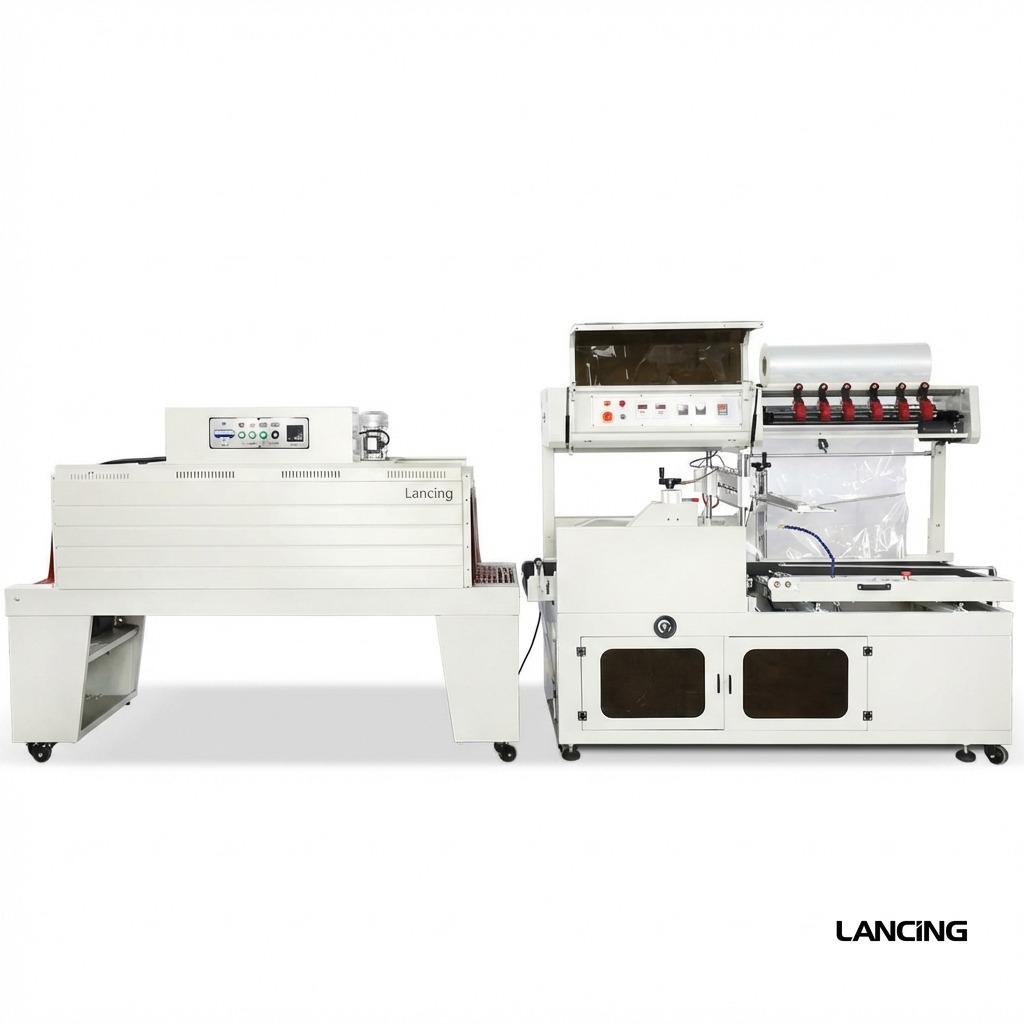
Pack dimensions are the first detail needed for a reliable L sealer recommendation because they drive sealing aperture, film width and tunnel chamber selection.
Measure the packed product in the orientation it will enter the machine. Include any raised lids, loose contents, irregular edges or unstable shapes.
The smallest pack matters too. A line that handles the biggest pack may still be awkward or wasteful for smaller repeat products.
| Pack dimensions | Largest and smallest product sizes, pack weight, stability and whether products are single cartons, bundles or trays. |
|---|---|
| Required output | Target packs per minute, daily volume, shift length, changeover frequency and whether future output may increase. |
| Film and finish | Preferred shrink film if known, presentation requirements, seal position, retail display needs and barcode visibility. |
| Line layout | Available floor space, infeed method, conveyor height, power, compressed air and whether a shrink tunnel is needed. |
FAQ
Measure the product before shrink wrapping, plus any allowance for presentation or bundle shape.
Send the full range if possible, especially extremes and high-volume products.
Yes. Photos show product stability, surfaces and likely film behaviour.
Related pages
Use these pages to compare L sealers, shrink tunnels, film route and quotation requirements.
Compare automatic, semi-automatic and tunnel-based L sealer routes.
Review automatic sealing and shrink wrapping options for higher output lines.
Understand when a combined sealer and tunnel route is the best fit.
Compare L sealers, chamber machines, tunnels and wider packaging routes.
Prepare product and line details before requesting a quotation.
Send pack sizes, output target and film needs to Lancing UK.
Do not combine the longest product, widest product and tallest product into one imaginary maximum pack. List actual formats and their intended entry orientation. Different formats can govern the sealing aperture, film width, tunnel opening and discharge transfer, so the machine needs to be checked against each real combination.
For a tall carton, include the film required to pass over the height as well as the footprint on the conveyor. For a broad, shallow product, check its support and seal position. For a small item, review the transfer into the tunnel: fitting comfortably inside the sealing area does not establish that it crosses the conveyor gap reliably.
If rotating a product could reduce the required film width or improve fit, show both orientations and state whether barcode position, display presentation or upstream handling permits that change. Ask for the proposed machine's actual format limits and a trial of the governing packs. Sealing-bar dimensions, maximum product height and permitted reel dimensions are different limits. A suitable specification explains how they work together for the approved format set rather than treating any one number as the usable pack size.
No. Product height, film allowance, seal clearance, reel capacity and the tunnel route also limit the usable format.
Test the actual formats governing length, width, height and small-product transfer. They may be different products.